


TPMS10-5E Tyre Pressure Monitoring System Incl. 5 External Sensors with APP Control Settings

12 Month Warranty

Setup With Free App

Solar Powered Display

Compatible Up to 10 Sensors

100% Aussie Owned Since 2003

.


Product Details
Key Features:
• Compatible with up to 10 tyre sensors - Supports a wide range of vehicles including trailers and multi-axle setups — one device covers everything you tow or drive.
• Easy setup with the free app - Get up and running quickly without specialist tools or knowledge — the intuitive app guides you through the whole process at no extra cost.
• Switch between Offroad and Normal modes to save tyre pressure settings - Instantly switch between on-road and off-road pressure profiles, so your tyres are always optimised for the terrain you're driving on
• Compact solar powered display unit - Fits neatly on your dashboard without cluttering the cabin - solar charging keeps it topped up on the go without any wiring.
• Long lasting display unit battery life - Reliable monitoring even on extended trips or in low-light conditions — no need to worry about the unit dying mid-journey.
• Wireless transmission between sensor and display unit - No messy cables or complicated installation — sensors communicate seamlessly with the display for a clean, hassle-free setup.
• Adjustable threshold value - Set pressure and temperature alert levels to suit your specific vehicle and tyre requirements, giving you precise, personalised monitoring.
• Auto brightness on display - The screen automatically adjusts to ambient light conditions, ensuring clear readability in bright sunlight or low-light driving — no manual fiddling required.
• Monitors pressure and temperature - Visibility of both key tyre metrics means you can catch issues before they become dangerous, protecting you, your passengers, and your vehicle.
• Visual and audio alarm - You'll never miss a critical alert - alarms ensure warnings reach you whether you're focused on the road or driving in a noisy environment.
• Optional micro USB input - Provides a wired backup charging option for peace of mind on long drives or when solar charging isn't sufficient.
• Intelligent sleeping mode for power saving - Automatically conserves battery when your vehicle is stationary, extending the life of the unit between charges.
• High/ low pressure warning - Alerts you the moment tyre pressure moves outside the safe range — helping prevent blowouts, uneven wear, and poor fuel efficiency.
• Sensor failure warning - Notifies you immediately if a sensor stops working, so you always know your monitoring system is fully operational and you're never left with blind spots.
• 12 Month warranty - Shop with confidence knowing your investment is protected.
Technical Specifications:
Sensor:
Operating frequency: 433.92MHz ± 0.05MHz
Operating voltage: 2.3 ~ 3.3V
Operating current: ≤1 2mA
Static current: ≤0.5uA
Operating temperature: -20˚C ~ +80˚C
Storage temperature: -40˚C ~ +80˚C
Battery model: CR1632
Display:
Operating frequency: 433.92MHz ±0.05MHz, 2.4GHz BLE
Operating current: ≤32mA
Static current: ≤45μA
Operating voltage: 2.6 ~ 3.6V
Operating temperature: -20˚C ~ +70˚C
Storage temperature: -40˚C ~ +95˚C
Built-in battery capacity: 500mAh
Charging temperature: -10˚C ~ 65˚C
Solar charging current: ≥15mA (at 5500LX 25˚C)
USB Charging current: ≤70mA
WARNING - KEEP BUTTON BATTERIES OUT OF REACH OF CHILDREN
- Button/coin cell batteries are hazardous and must be kept out of reach of children at all times, whether the battery is new or used.
- If it is suspected a button/coin cell battery has been swallowed or placed inside any part of the body, seek medical attention immediately or contact the Australian Poisons Information Centre on 131126 for 24/7 fast, expert advice. These batteries can cause severe or fatal injuries in 2 hours or less if swallowed or placed inside any part of the body.
- Regularly examine devices and make sure the battery compartment is correctly secured, e.g. that the screw or other mechanical fastener is tightened. Do not use if compartment is not secure.
- Dispose of used button batteries immediately and safely out of the reach of children. A battery can still be dangerous even when it can no longer operate the device.
- Tell others about the risk associated with button batteries and how to keep their children safe.
Files
User guides

Product registration


Additional Information
- Frequently Asked Questions
- Videos Guides
How do I install the TPMS in my vehicle?
See video below:
How do I program sensors to the control unit?
See video below;
How do I delete tyre data?
See video below:
How to Disable and Enable External Sensors?
See video below:
How do I Enter/Exit settings mode?
See video below:
How do I replace batteries?
See video below:
How do I set the HI/LOW pressure thresholds?
See video below:
What is a Tyre Pressure Monitoring System (TPMS)?
A Tyre Pressure Monitoring System (TPMS) is an advanced safety device designed to constantly monitor the air pressure inside the tyres on various types of vehicles. These devices are designed to alert the driver with visual and/or audible warnings if one or more tyres become significantly under-inflated, which can lead to various safety issues, including tyre failure. By ensuring that tyres are always at the optimal pressure, TPMS systems contribute to the safety, efficiency, and longevity of your vehicle’s tyres. Oricom’s range of TPMS solutions offers real-time pressure alerts, helping you maintain your vehicle in top condition and ensuring a safer driving experience.
How does a Tyre Pressure Monitor System Work?
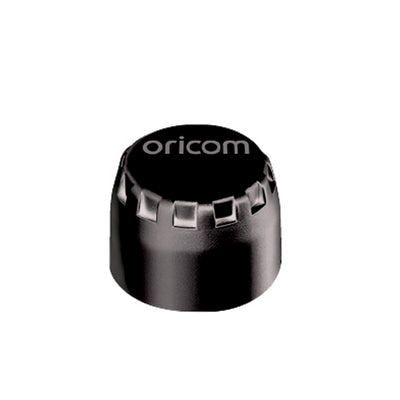
A Tyre Pressure Monitoring System (TPMS) is integral to vehicle safety, using sensors to monitor the air pressure in each tyre and alert the driver of any discrepancies through the dashboard display. There are two main types of TPMS: Internal and External. Internal TPMS employs sensors within each tyre (replacing valve stem) to directly measure pressure and temperature, providing specific alerts for each tyre. This system is precise, offering real-time status and alerts for underinflation or overheating. External TPMS are screw on sensors that affix the external valve stem and work in the same way as internal sensors, however can be removed or installed at any time.
Why is it Important to Maintain the Correct Tyre Pressure?
Maintaining the correct tyre pressure is crucial for several reasons, impacting safety, fuel efficiency, and tyre lifespan. Properly inflated tyres reduce the risk of tyre failure and accidents, as under-inflation can lead to overheating, premature wear, and blowouts. Furthermore, tyres at the correct pressure level offer optimal contact with the road, enhancing vehicle handling and braking efficiency. This also translates to improved fuel economy, as under-inflated tyres increase rolling resistance and, consequently, fuel consumption. Regularly using a Tyre Pressure Monitoring System (TPMS) ensures that your tyres are always at their ideal pressure, safeguarding your journey, prolonging tyre life, and contributing to environmental sustainability by reducing CO2 emissions.
What are the Benefits of Using Tyre Pressure Monitors?
Tyre Pressure Monitors offer a host of benefits that contribute to a safer and more economical driving experience. Firstly, they provide real-time alerts to any changes in tyre pressure, allowing for immediate corrective action to avoid tyre wear and potential accidents. This real-time monitoring leads to increased fuel efficiency, as properly inflated tyres require less energy to move and maintain speed. Additionally, TPMS helps extend the lifespan of tyres by preventing uneven wear, saving money on premature replacements. Safety is significantly enhanced by reducing the likelihood of tyre-related accidents. Lastly, TPMS contributes to environmental protection by optimising fuel consumption and reducing tyre waste. Incorporating a TPMS into your vehicle’s maintenance routine is an investment in safety, efficiency, and peace of mind.
Are Tyre Pressure Monitors Compatible with All Types of Vehicles?
Oricom Tyre Pressure Monitors are highly versatile and designed to be compatible with a wide range of vehicles, including cars, light trucks, and caravans/trailers. Oricom offers a variety of TPMS models, including both internal and external systems, to suit different vehicle types and tyre configurations. It’s always best to check the specifications of the TPMS or consult with a professional to ensure the system you are considering is compatible with your vehicle and if a repeater is required for monitoring vehicles greater than 9m in length.